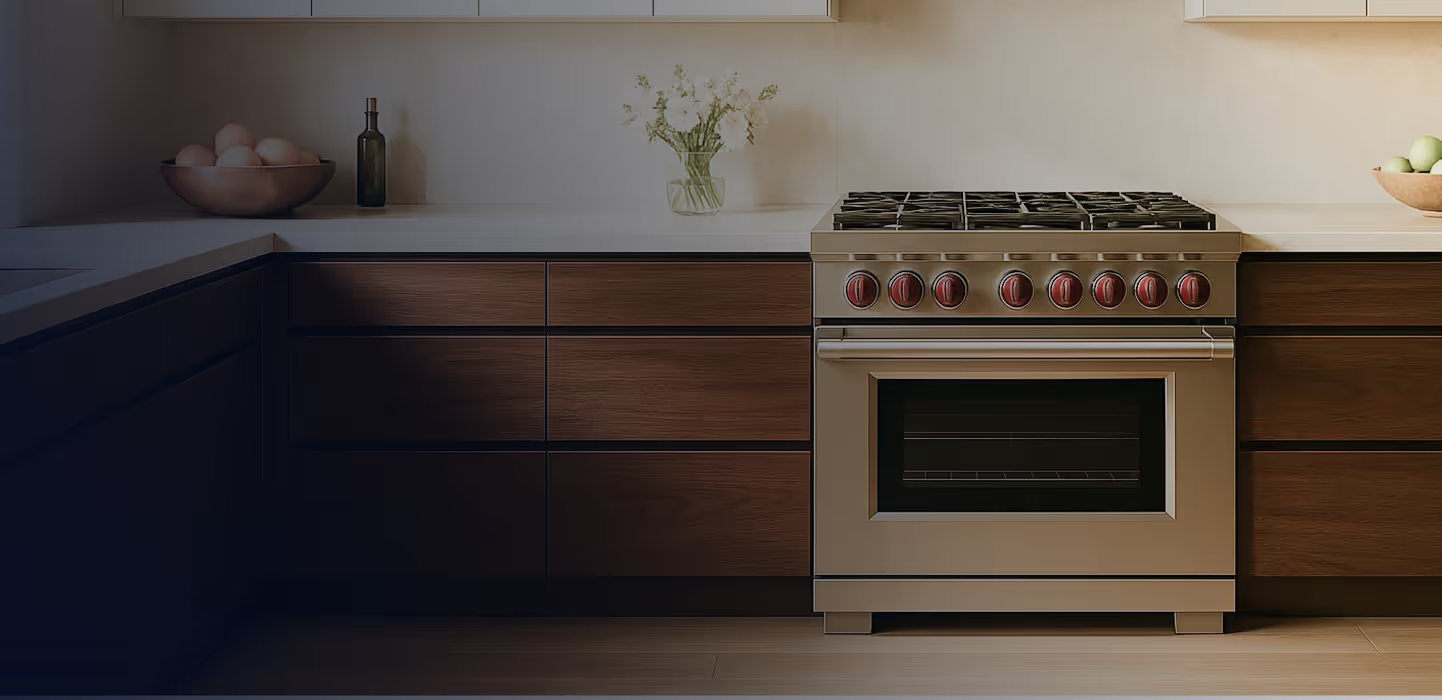
Top-Rated Wolf Appliance Repair in Riverside

Premium Care for High-End Cooking Appliances
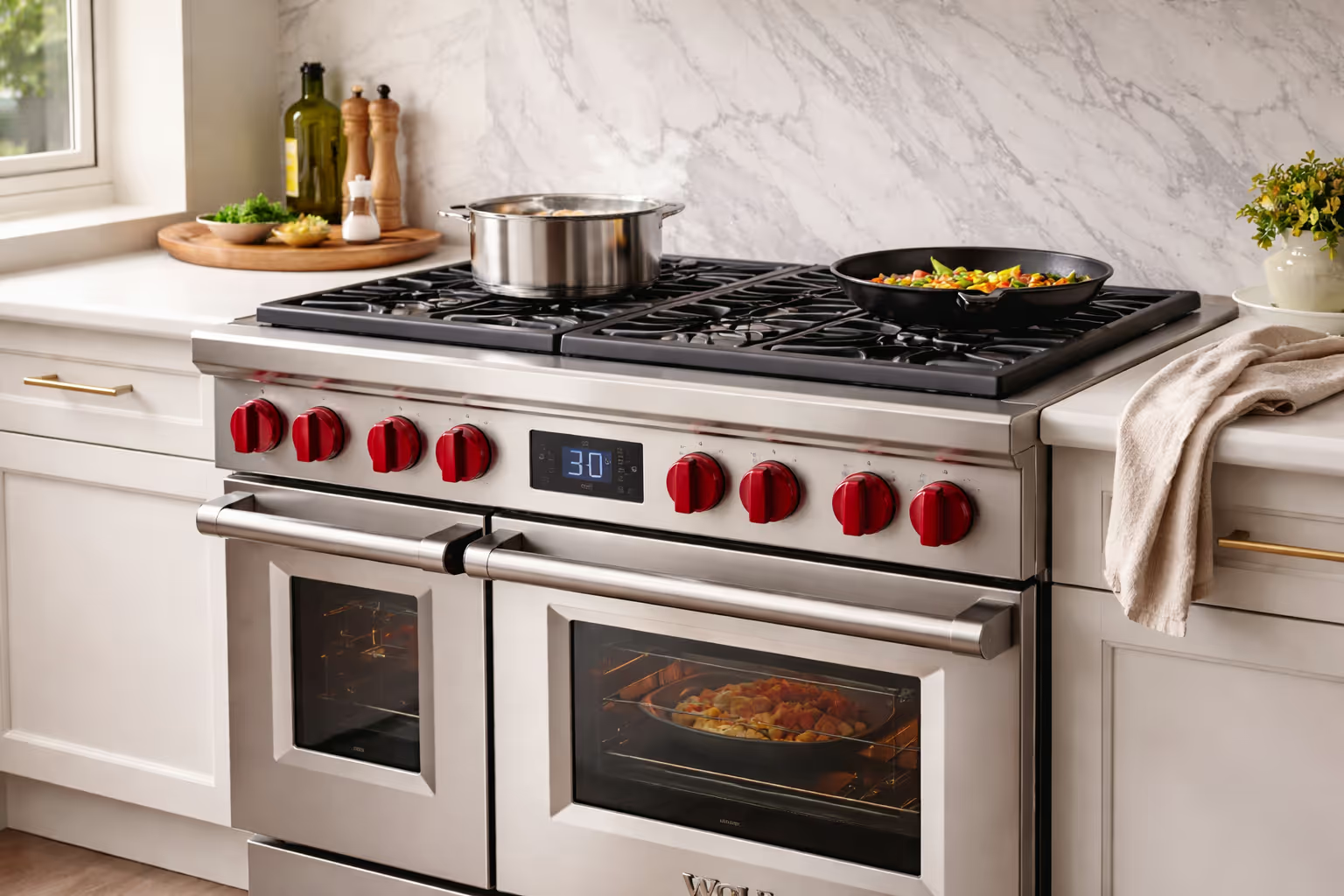
Wolf appliances are often the centerpiece of a luxury kitchen — powerful, precise, and designed for serious home cooking. But because they’re built differently from standard appliances, they need a technician who truly understands how these systems work. Our team has years of hands-on experience repairing Wolf ranges, ovens, cooktops, and built-in appliances. We use high-quality parts, brand-specific diagnostic tools, and proven repair methods to bring your appliance back to peak performance.
Whether it’s a burner that won’t ignite or an oven that won’t hold temperature, we fix Wolf appliances with the attention to detail they deserve.


Wolf Appliances We Service
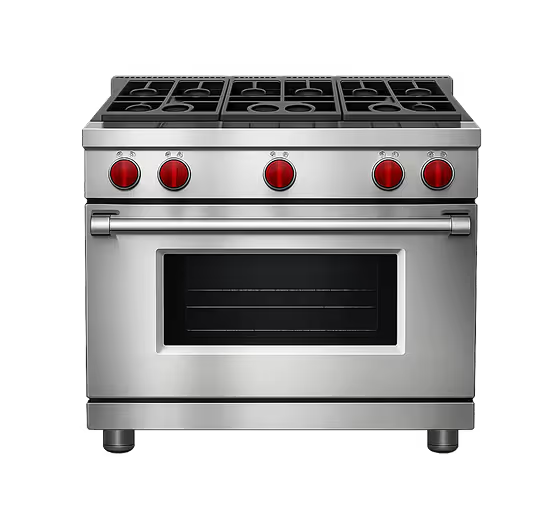
Wolf Ranges
Professional-grade gas, dual-fuel, and induction ranges with high-BTU burners and precise simmer control.
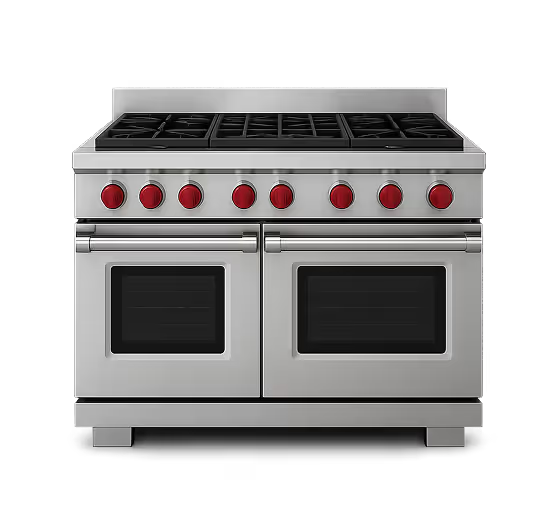
Wolf Ovens
Convection ovens, steam ovens, speed ovens, and dual-fan models designed for even, consistent cooking.
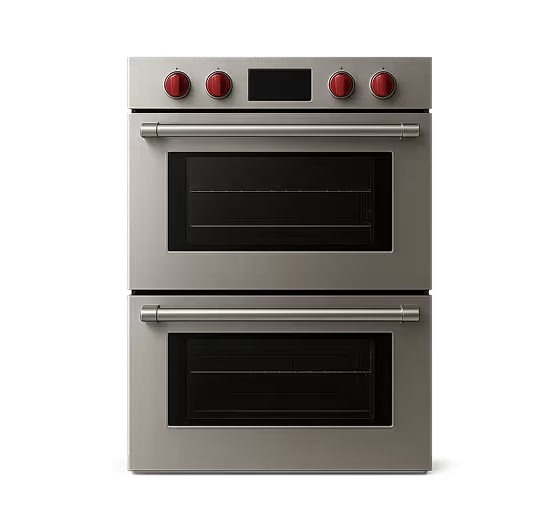
Wolf Built-In Ovens
High-end built-in wall ovens with touchscreen controls, steam functions, and advanced temperature sensors.
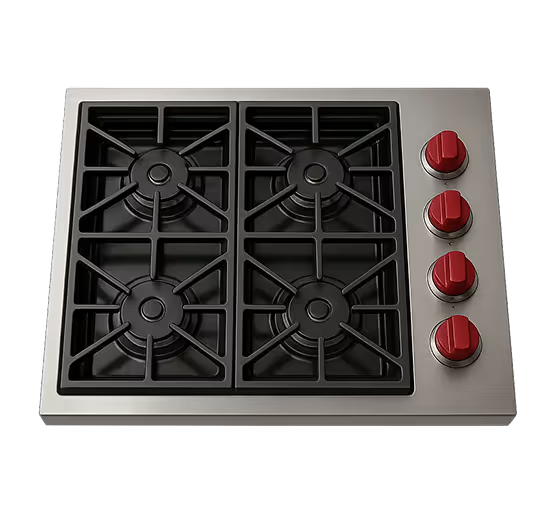
Wolf Cooktops
Gas, induction, and electric cooktops with sealed burners, simmer plates, and heavy cast-iron grates.
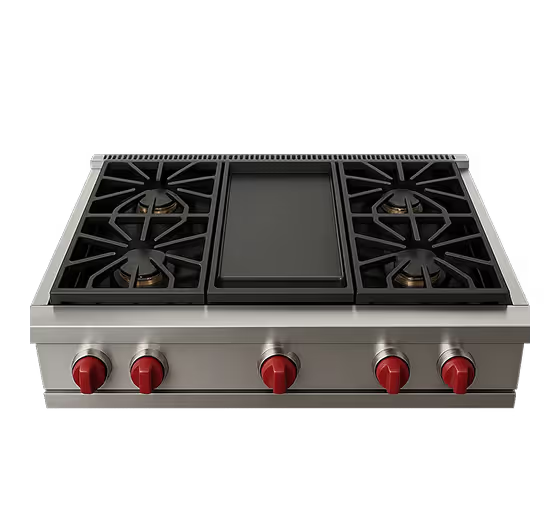
Wolf Rangetops
Restaurant-style rangetops with grills, griddles, high-output burners, and infrared technology.
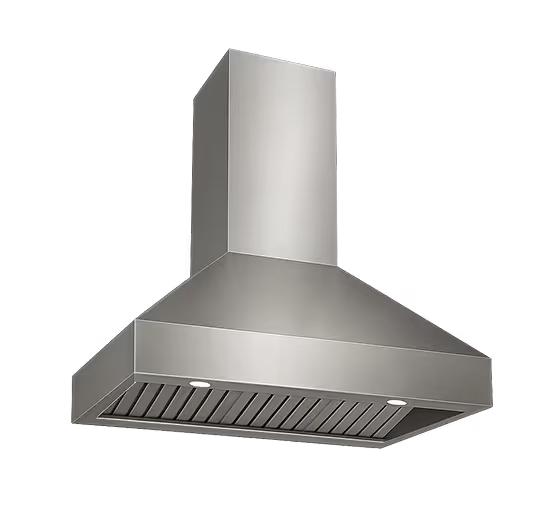
Wolf Ventilation Systems
Professional hoods, downdrafts, chimney hoods, and ventilation modules.
Common Wolf Appliance Problems We Fix

Wolf Range Problems
- Burners clicking but not lighting
- Weak, low, or uneven flame
- Gas smell near burners
- Oven section not reaching temperature
- Broiler not heating
- Temperature fluctuations during cooking
Wolf Oven Problems
- Oven not heating or heating too slowly
- Uneven baking / hot spots
- Convection fan not spinning
- Steam oven not generating steam
- Oven shutting off mid-cycle
- Door not sealing or locking properly
- Error or temperature sensor codes
Wolf Cooktop & Rangetop Problems
- Induction cooktop not detecting pans
- Gas burners slow to ignite
- Clicking that won’t stop
- Flame going out at low simmer
- Griddle heating unevenly
- Grill burner not heating
- Knobs sticking or not responding
Wolf Vent Hood & Ventilation Problems
- Fan not turning on
- Weak or inconsistent airflow
- Loud humming or rattling noises
- Smoke lingering in the kitchen
- Hood lights flickering or not working
What Causes Wolf Appliance Issues?
Wolf appliances are built to a very high standard, but like any well-used cooking equipment, they can develop issues over time, especially in busy kitchens that rely on them every day.
Common issues include:
- Fan not turning on
- Weak or inconsistent airflow
- Loud humming or rattling noises
- Smoke lingering in the kitchen
- Hood lights flickering or not working
Noticing changes in your Wolf appliance’s performance? Schedule a quick diagnostic, and let us restore it to peak condition.
%201.avif)
Our Wolf Repair Process
Special Offers
.svg)
%201%20(1).svg)







.svg)





Frequently Asked Questions About Wolf Appliance Issues
A constant clicking sound usually means the igniter is struggling to spark or a burner is clogged with moisture or debris. Sometimes the spark module is weakening and can’t create a strong enough ignition. This is one of the most common Wolf range issues and typically requires a quick diagnostic and cleaning or part replacement.
Wolf induction units require cookware with magnetic properties. But if you’re using the right pots and it still doesn’t detect them, the issue may be with the sensor, induction module, or internal wiring. This problem generally becomes more frequent as components age.
Slow heating is often caused by a worn heating element, a faulty temperature sensor, or an issue with the control board. Wolf ovens rely on precise temperature regulation, so even a minor component failure can prevent proper heating. A technician can test each part to pinpoint the exact cause.
Wolf ovens show error codes when sensors, temperature controls, or internal electronics detect a malfunction. Common causes include faulty thermostats, damaged wiring, and control board issues. The exact meaning depends on the model, so diagnostic testing is the safest way to identify the issue.
Uneven results, such as hot spots, undercooked centers, or inconsistent browning — usually indicate a problem with the convection fan or heating element. If air isn’t circulating evenly, the oven can’t maintain uniform heat. We check the fan motor, fan blade, and heating system to restore balanced cooking performance.
Uneven griddle heating can be caused by a worn heating element, a faulty thermostat, or grease buildup affecting heat distribution. Wolf griddles need occasional recalibration, especially in homes that use them frequently.
Weak flame or uneven heat typically happens when burner ports are blocked, gas flow is restricted, or the regulator isn’t functioning properly. On Wolf induction units, low or inconsistent heat usually points to a sensor or module issue. Proper inspection is needed to identify whether the problem stems from the burner or internal components.
Wolf appliances are built to last many years, but high heat, daily use, and natural wear can lead to performance changes over time. Most issues start with minor symptoms — clicking, slow heating, uneven cooking — and are usually easy to repair when caught early.
.svg)